Money20/20 Europe 2026: After the hype, reality returns to payments
- Thought leadership
- 2 Minute Read
- Last updated 16/06/2026

Money20/20 Europe 2026 showed a clear shift from hype to reality, with the industry focusing less on new concepts and more on whether existing infrastructure can support them. The real discussion has moved to modular, flexible foundations and stronger partnerships that can actually deliver on the promise of next-generation payments.
Key Insights
-
The conversation has matured, with AI, stablecoins and digital assets no longer driving hype but forcing practical questions around execution.
-
Payments leaders are prioritising infrastructure, recognising that legacy stacks cannot support the speed, flexibility and complexity of modern commerce.
-
The industry is shifting from adding more technology to optimising what already exists to deliver better, real-world outcomes.
-
Orchestration, modularity and flexibility are becoming essential, not optional, for businesses that want to stay competitive.
-
Partnerships are no longer about replacement but connection, as no single provider can solve today’s ecosystem complexity alone.
Don't have time to read more now? Sign up to our newsletter to get the latest insights directly in your inbox.
After the noise, what actually stood out
-
By now, you've seen all the headlines. Agentic AI. Agentic Commerce. Stablecoins. Digital assets. The next generation of intelligent payments.
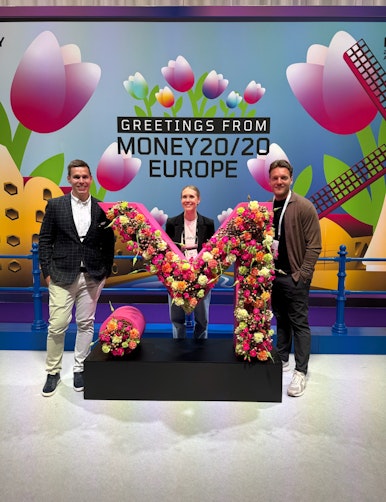
And while those topics certainly dominated many of the conversations on stage, what stood out most to us happened elsewhere. In the connections lounge. In the coffee queues. In the hallways between sessions. And in the Mastercard corridor connecting Hall 1 and Hall 2, where a quick walk between meetings often led to an unexpected introduction or conversations.
Because if Money20/20 Europe 2026 made one thing clear, it's this: The next wave of payments innovation will not be won by those with the boldest technology alone. It will be won by those with the right foundations.

From buzzwords to real questions
A few years ago, every conversation seemed to come back to crypto. Then it was AI. This year felt different. Neither topic disappeared. They simply matured.
The industry is moving beyond the buzzwords and asking a more important question: Can our infrastructure support what's coming next?
Across merchants, financial institutions, payment providers and software companies, we heard the same theme repeatedly. Many organisations are rebuilding their payment stacks. Not because they want another transformation project, but because they realise their existing infrastructure wasn't designed for the speed, flexibility and complexity that modern commerce demands. The focus has shifted from adding more technology to enabling better outcomes.
If your stack can’t evolve, neither can you
The reality is simple. Agentic Commerce, AI-driven experiences, new payment methods and stablecoins all depend on infrastructure that can adapt. If your payment stack cannot evolve, neither can your business.
That is why orchestration, modularity and flexibility featured so heavily in conversations throughout the event. These are no longer nice-to-haves or future-state ideas, they are quickly becoming the baseline for how modern payment ecosystems operate.
Partnerships aren’t being replaced, they’re being reconnected
-
For Aevi, Money20/20 was less about products and more about partnerships. The payments ecosystem has become too complex for any single provider to solve alone. Success increasingly depends on staying in your lane, focusing on what you do best, and partnering with others to deliver complete solutions.
The strongest conversations we had weren’t about replacing partners. They were about connecting them. Because the future of payments won’t be built by isolated platforms.

Looking ahead: why modular is next
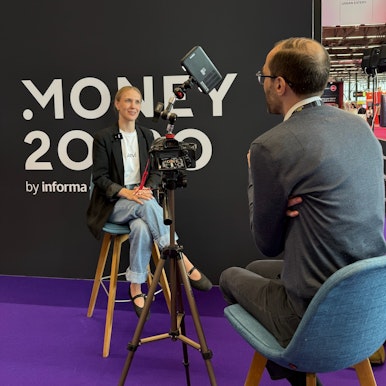
Looking ahead, our CRO Victor Padee perhaps summed it up best: “My guess for next Money20/20? It will be all about modular.” And after this year’s conversations, we’re inclined to agree.
The future isn’t monolithic. It’s modular.
Interested in reading more around this subject? Here are some useful articles…