PAYMENT ORCHESTRATION PLATFORM
Build and control your payments stack on your terms

In-person payment orchestration
-
It sounds simple: apps talking to apps so that payments can flow. But in a world of fast-developing payment technologies, complex regulations, and high customer expectations, only an orchestration platform created by true payments experts can bring it all together flawlessly.
What’s wrong with the current payment landscape?

Fragmentation
The payments landscape is deeply fragmented. There is a wide selection of acquirers, gateways, and processors out there, all with different terms of service and levels of performance.
That’s a headache if you’re operating in just one jurisdiction. If you operate across multiple territories or globally, the problems quickly multiply: Internationally, people favor different payment methods, laws and standards change, and financial institutions vary how they operate.

Complexity
All of these factors, and more, quickly lead to a messy payment picture.
Data is siloed and can be hard to access, making it difficult to get a unified picture of performance or generate useful business insights.
New payment technologies are hard to integrate into existing systems, with each new addition having to be considered carefully, in effect becoming its own project.
Every element in a merchant’s payment stack has its own contract that needs to be negotiated, managed, and comes with its own fee structure.

Multi-vendor environments
Businesses that run a platform or app where one customer can buy from multiple merchants simultaneously, can offer fantastic experiences to these customers, but find themselves managing challenging environments where payments are being routed to multiple vendors at the same time.
This could be across multiple jurisdictions with different rules and standards, or simply to a variety of banks, creating elaborate payment systems that can be time consuming and technically complex to navigate.
How does Aevi fix all of this?
-
At Aevi, we don’t want a world shackled by lock-in deal structures that mean payments can only be routed a certain way, where constant patching is required to keep things moving, or where people can’t pay the way they want to.
That’s why we’ve built a payment orchestration platform that integrates payment technologies seamlessly, giving ISOs and ISVs unrivaled power to build their offering, merchants control and choice, and the end customer confidence, consistency, and security.
-
While most providers still bundle different elements of the payment system together (for example by providing a terminal along with payment service provision and acquiring services), our orchestration platform separates out each individual element, allowing our customers to add or change anything they want, swapping components out when necessary.
Our users don’t need to worry about us locking them in to certain providers or changing things too slowly when the payments stack needs to pivot.
This is why our payment orchestration platform is built around:
-
No lock-in
Our platform allows merchants to route payments using whichever payment service providers (PSP) they wish. There are no lock-ins.
Vendor choice
Merchants can consider factors like cost-effectiveness, acceptance rates, geographic coverage, and uptime performance when selecting a vendor, instead of having to accept what a single provider gives them.
APIs
Application Programming Interfaces (APIs) are the languages that allow each element of the payments system to speak to the orchestration layer and move the payment along the process.
Without an orchestration layer, each element of the system would need to be integrated with each of the others. A massive amount of complex work, and every time a component needs to be tweaked or swapped out? The work starts again.
Our payment orchestration layer does all of the hard work for you, allowing you to focus on what’s really important to your business.
-
POS estate
For businesses that take payments in person, point of sale (POS) devices are a crucial element of the payment process.
Our payment orchestration platform not only helps to authenticate and route payments during in-person transactions, but also helps to integrate new POS devices into the system, and to manage them on an ongoing basis.
This allows you to update or replace sub-optimal devices, ensuring that customers are always getting the best possible payments experience.
SmartPOS and SoftPOS
For businesses running smartPOS devices, a payment orchestration platform that gives you total control over the elements in your payment stack simply makes sense. If you want to add Buy Now, Pay Later wallets, loyalty card systems, or integrate your system with inventory management apps, you can, without having to worry about provider restrictions, or complicated changes across your payment stack.
If you want to use a smartphone or tablet to take payments, then an orchestration platform that can smoothly accommodate softPOS systems is a must. Our platform is designed to allow devices of all shapes and sizes to take payments with ease.
Multi-device environments
Businesses operating multiple payment devices, across multiple locations, and maybe even across different jurisdictions need to be able to manage that estate centrally and be able to quickly and easily access business data. Our payment orchestration platform allows remote device management and data gathering, no matter how many or varied those devices are.
-
Connecting in-person and digital
Many businesses operate in multiple spaces, selling online and in-person through stores. But that doesn’t mean they can’t have a single payment stack operating across both environments, giving the same routing flexibility, cost efficiencies, and rich data across both.
Consistent experiences
Merchants need to be able to offer the same experience to their customers, wherever their customers are buying from them, online or in a store, no matter where that store is. Orchestration ensures that wherever and however a customer pays, their payment can be taken quickly and safely.
Consistency is vital for merchants too. Knowing that payments will be accepted and processed gives them the certainty they need to grow and develop their business.
Global payment orchestration
-
In a world where money moves, money needs to move frictionlessly across borders and technologies. That’s why Aevi’s platform is built for globalized payment orchestration.
Multi-region payments
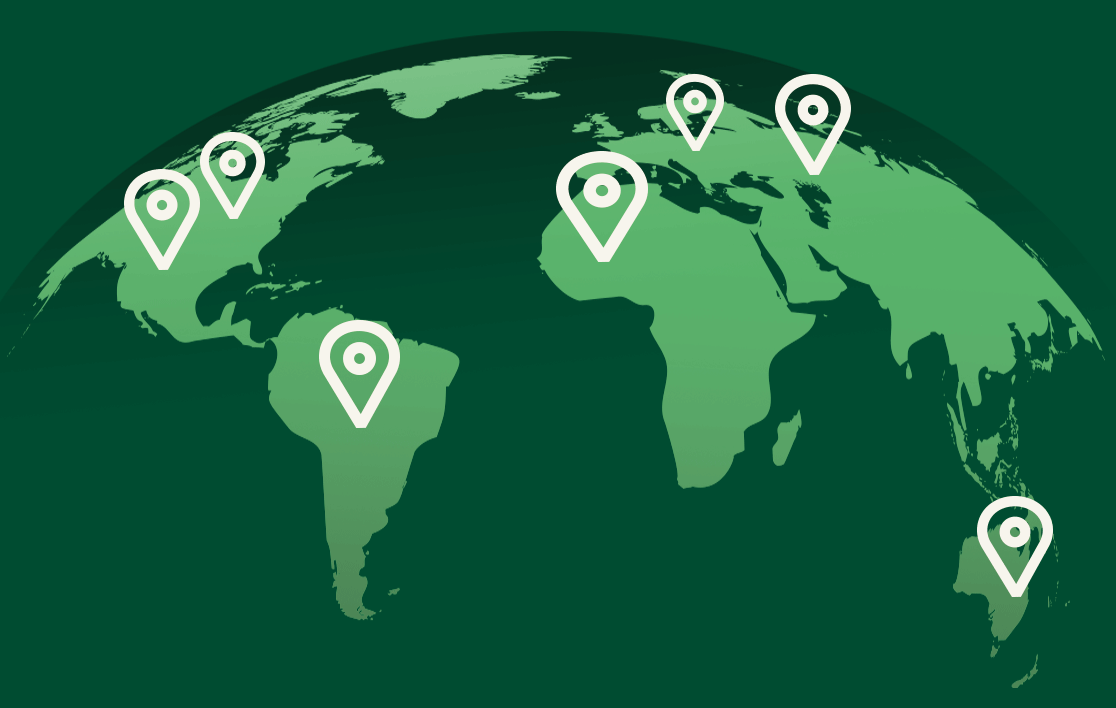
A merchant’s customers, their bank, and every component of the payment stack can all be based anywhere in the world. Our payment orchestration platform allows technology from anywhere in the world to plug in and move money with ease, keeping payments flowing and businesses operating.
Routing and compliance
As money moves across borders, technical complexity, and regulatory requirements are introduced, as well as potential hidden costs. Our platform ensures compliance with all legal requirements, routes payments by the most efficient paths, and resolves technical complexity as new components are added.

Customers can pay their way
Different people pay in different ways. Just as every country has its own food, each country has its own payment culture. That could mean the payment system a merchant supports won’t work for an international customer base or customers in a new territory when they expand. A flexible platform allows merchants to pivot quickly when this happens.
Global performance data
Businesses need to make smart decisions, and that means having accurate and up-to-date data. This can be a challenge when businesses operate across several locations, sell both online and offline, and operate across different jurisdictions. But because our payment orchestration platform manages every element of the payment authorization and routing process, it generates rich and comprehensive business performance data, which offers unrivaled business insight.


An expert team to build your payments stack
-
You don’t need to manage integrations on your own. Our platform gives you the flexibility to build your payment stack your way, with expert support to make it happen..
Our team handles the complexity of integrating and managing your payment environment, so you can focus on running your business.
That technical expertise also means faster rollout of payment capabilities, helping you stay aligned with evolving customer and market demands.

Payment orchestration FAQs
-
Payment orchestration is the management of a payment process and the systems involved end-to-end, from when a customer completes a purchase, to the moment the money lands in the bank account of the merchant.
-
Payment orchestration platforms need to be able to integrate multiple payment technologies, work with different payment providers, support different methods of payment, and integrate a wide variety of systems into a centralized platform, creating a unified payments ecosystem.
-
- A customer starts the process by making a purchase.
- An orchestration platform looks at the fastest and safest way to route the payment, as well as the customer’s preferences.
- The payment orchestration platform then ensures that everything that happens is in line with the regulatory framework in place at every location the payment passes through.
- Once the payment has reached its final destination, the platform reconciles the transaction, making sure that every payment is tracked and that data is up to date.
-
In-person payment orchestration and online payment orchestration are very similar, but have one key difference: The context in which the payment is made. These contexts are:
In-person payment orchestration refers to when a purchase is made by a customer who is physically present in a store, restaurant or other location.
Because the merchant needs to accept payment, they are likely to have a physical payment device such as a point of sale (POS) device, card reader, or till. The presence of a device is something that a payment orchestration platform needs to be able to integrate into the process. One advantage of a good orchestration platform in this context is that it can help to effectively manage the physical devices, spotting issues with devices and diagnosing the cause of issues quickly.
Online payment orchestration describes a scenario when a purchase is made online, such as on a website or within an app. Typically in this scenario, the customer is not together with the merchant when the purchase is made. Customers will usually follow a checkout process, during which they need to enter their card details for processing, since a POS device will not be present.
However the underlying role of the payment orchestration platform doesn’t change between these scenarios. Its job is to ensure that payments flow via the optimal route, guaranteeing consistent security, cost efficiency and speed. It does this by acting as an integration system for the different elements in the stack.
-
The right payment orchestration platform makes in-person transactions simple, fast, and secure. It does this by:
- Simplifying device estate management - By enabling easy integration of new terminals and allowing merchants to operate terminals from multiple manufacturers simultaneously, it can offer a unified view of terminal performance and allow easy management.
- Ensuring consistent customer experience - By providing a consistent payment experience across different payment methods, in-person and online scenarios, and different physical transaction locations. This boosts customer satisfaction and loyalty.
- Optimizing performance - By using smart routing, fallback options, and dynamic currency conversion, payment efficiency is maximized. This increases conversion rates, reduces payment declines, and lowers transaction fees.
- Providing real-time insights - Payment orchestration platforms deployed via the cloud make rich data available with ease, no matter how dispersed store and terminal locations are. This information enables merchants to make quick decisions with confidence.
- Reducing operational costs - Merchants see their bottom line benefit, because payment orchestration platforms direct payments via the most cost-efficient route available when a payment is made.
-
If you’re a business that takes payment directly from customers, or offers payment processing services, you can streamline that with a payment orchestration platform.
Merchants can choose an orchestration platform based on their specific needs, with simple plug-and-play options for those that just want to get up and running, while others are highly customizable and flexible. This latter type of solution is perfect for businesses that are growing and want to be able to quickly expand the range of payments they can take, or add new features to their payment process.
Businesses that operate in multiple markets or even globally can benefit from a cloud-based orchestration platform. This means wherever payments are being taken globally, data can be easily centralized and used to generate insights. Cloud-based systems can also easily be scaled, allowing new devices to be added quickly in physical settings, and supporting increased traffic for online stores.
-
To choose an in-person payment orchestration platform provider, consider these factors:
- Payment methods and preferences - Evaluate how well the platform supports your customers' preferred payment methods, currencies, and languages.
- Integration ease - Assess how quickly and easily you can integrate with payment partners, gateways, acquirers, and processors.
- Payment routing and optimization - Evaluate the platform's capabilities to optimize payment performance, efficiency, and conversion rates through advanced routing features.
- Data insights - Review the platform's reporting, analytics, and insights into payment trends across all channels and locations.
- Security and compliance - Ensure the platform offers robust security measures, compliance with regulations, and effective fraud prevention to safeguard customer transactions.
- Scalability and reliability - Assess whether the platform can handle high transaction volumes reliably without compromising quality or performance.
- Costs and contracts - Understand the pricing, fees, and contract terms to align with your budget and business objectives.
- Support and service - Evaluate the support, service quality, and communication channels provided to address any payment-related issues promptly.
-
A properly designed and implemented payment orchestration system mitigates failure risk. This is because payment transactions are spread across multiple payment providers, so if one fails, payments can be routed via competitors.
Because top-tier orchestrators deploy their technology via the cloud, built-in redundancy ensures that if any part of the system fails, backup systems keep everything operating smoothly. There are also failsafes in place so that if the system breaks completely, processing can continue offline.
-
Security and compliance are absolutely critical for any payment orchestration provider.
In-person payments involve physical terminals, card readers, or mobile devices accepting a variety of payment methods such as credit cards. It's essential that any payment solution meets stringent global and local standards and regulations like:
- Payment Card Industry Data Security Standard (PCI DSS) - These are standards agreed by the industry, designed to maintain payment safety
- Europay, Mastercard, Visa (EMV) - These standards govern how chip-based cards and terminals communicate and authenticate during a payment process
- Payment Services Directive 2 (PSD2) - Legislation introduced by the EU to regulate payments in the European Economic Area
- General Data Protection Regulation (GDPR) - This regulates how the data of EU citizens is collected, stored, and processed, including data captured during payment processing.
Payment orchestration providers need to guarantee that all of these regulations, and more, are followed to the letter to ensure customer safety. For this reason, in-person payment orchestration is extremely secure when properly implemented.
Technologies used by payment orchestration platforms to keep payments secure include:
- Tokenization - This is where sensitive card data is replaced by non-sensitive tokens, reducing the risk of data breaches
- Encryption - the process of encryption takes readable data and uses an algorithm to change it into an unreadable format until it can be decrypted again.
- Fraud protection - this refers to multiple systems, layered together, to determine whether a transaction is likely to be fraudulent or not.
-
There are a wide variety of systems that a payment orchestration platform might need to manage for any given implementation. The purpose of an orchestration platform is that it offers the ability to easily and quickly integrate different systems needed for smooth checkout experiences.
Some of the common elements that need to be incorporated are:
- Payment hardware - This could include card readers, self-service kiosks, or payment systems built into vending machines. As well as reading cards to trigger a payment process, payment orchestration platforms also monitor these devices to ensure they are fully up-to-date, safe, and performing optimally.
- Digital wallet systems - Whether customers are paying online or in-person, digital wallets are becoming increasingly popular, and to ensure that customers can pay via their preferred method, payment orchestration platforms need to support these methods.
- Security and verification systems - The number one priority for payment orchestration platforms is ensuring the security of payments. There are a variety of different security protocols that need to be followed to guarantee a safe payment experience.
- Card networks - Because many payments are likely to be made with a card, it is vital that orchestration platforms integrate with these and can follow any network-specific rules.
- Buy Now Pay Later - These schemes allow customers to complete their purchase immediately, even if the total funds aren’t available. Buy Now Pay Later options are provided by third parties that payment orchestration providers need to be able to accommodate these schemes.
- Customer Loyalty Schemes - There are a variety of schemes that reward customers for their loyalty. In some cases the reward is in the form of an immediate discount, while in other cases, points can be accrued. Payment orchestration companies need to be able to incorporate these schemes into their platform so that merchants can continue to benefit from customer loyalty.
- Payment Processors - These are the intermediaries that actually move funds. Orchestration platforms should integrate with several so that the optimum route for speed and cost can be selected.
- Payment Gateways - This is the link between the sales environment (e.g. a website payment page in online sales) and the payment processor.
- Merchant banks - These are the final destination for payments. Once everything else in the process has been completed successfully, the payment needs to be routed to the merchant’s bank account
The different systems that payment orchestration needs to accommodate will continue to grow and develop. That’s why platform flexibility is key to ensuring that merchants can offer the best payment experience to their customers.
Find your solution

Card present payment gateway
Enhance your merchant offering by combining payments with third-party apps - enabling smarter, app-rich experiences at the point of sale.
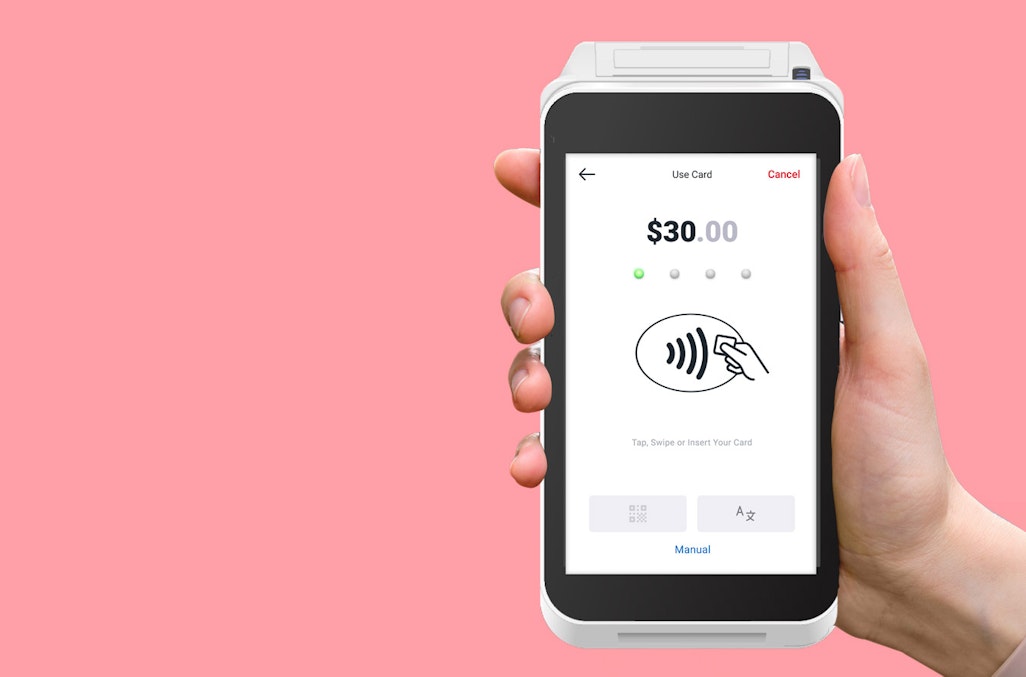
SmartPOS for ISOs
Support independent sales organizations with a scalable smartPOS solution that meets evolving merchant needs across devices and markets.

Unattended Payments for Fuel
Empower merchants in the fuel sector to offer fast, secure self-service transactions that integrate smoothly with their existing infrastructure.
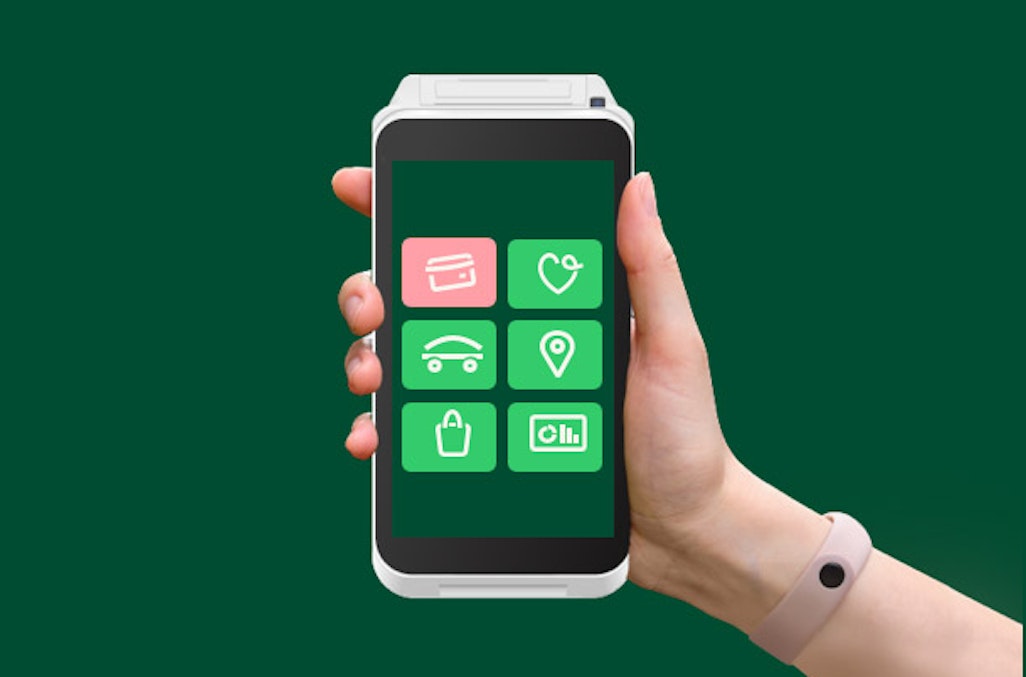
SmartPOS for ISVs
Enable independent software vendors to integrate payments into their platforms quickly and securely - ideal for retail, hospitality, or service-sector ISVs.
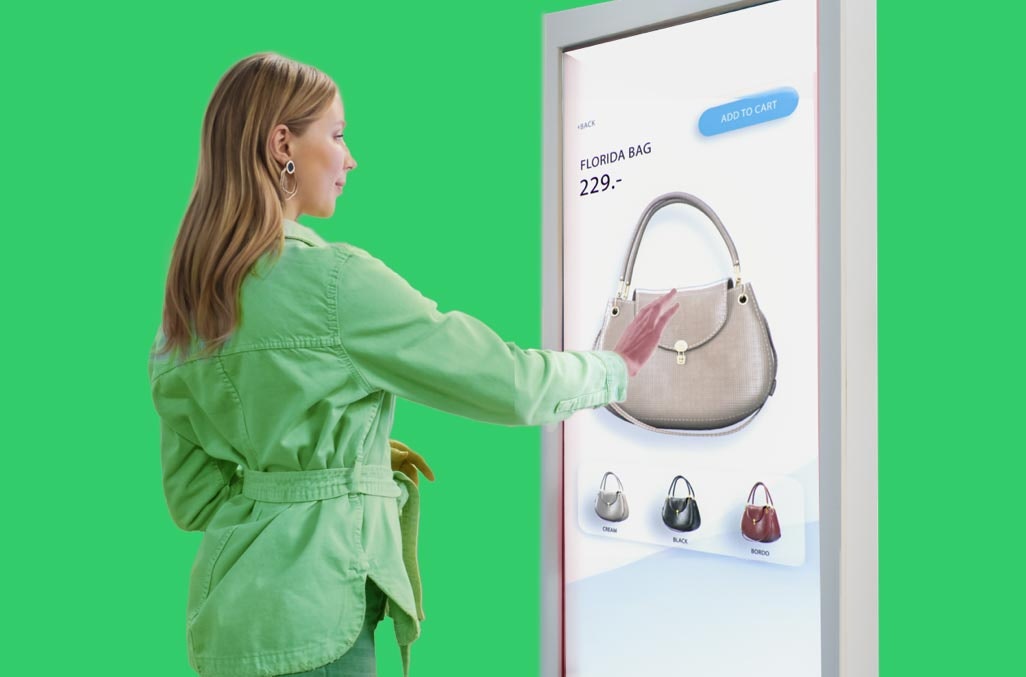
Unattended Payments for Retail
Support your retail merchants with unattended POS solutions that reduce queues, lower operational costs, and deliver better customer experiences.
Who we serve


Financial Institutions
Powering secure, future-ready merchant services for banks and acquirers.
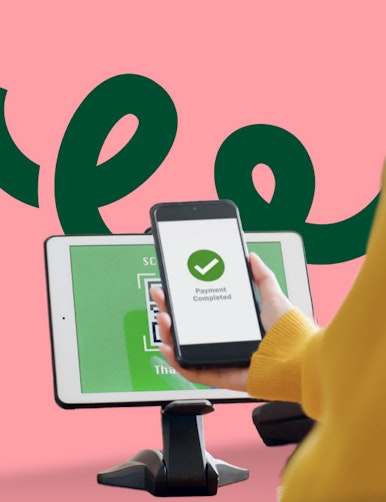
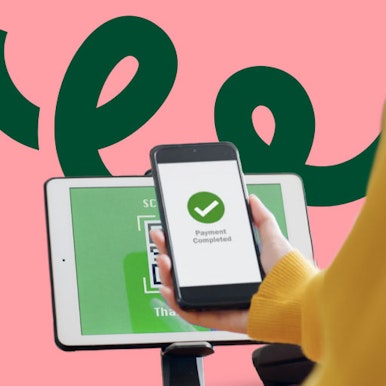
ISVs
Supporting software providers with integrated payment tools that scale.
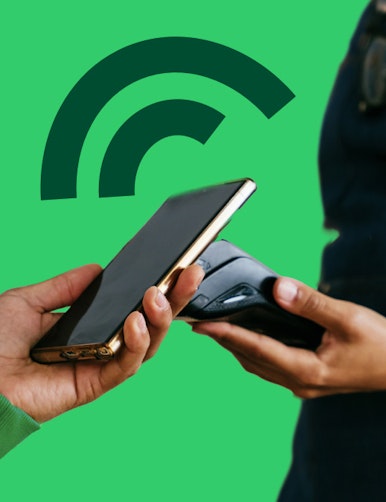
PSPs & ISOs
Helping payment providers unlock new revenue with flexible merchant solutions.


Global Retailers
Driving unified commerce and connected payments across every touchpoint, globally.
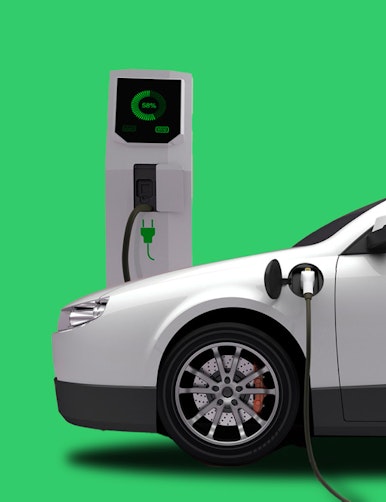
Fuel & Mobility Retailers
Enabling smarter billing and seamless payment experiences for modern utilities.
-
We orchestrate. You thrive.
Say goodbye to payment headaches. Our platform brings all your payment methods and tools into one easy solution, making transactions quicker, safer, and simpler to track. It’s super flexible and integrates seamlessly, so you can offer your customers a smooth, personalized checkout experience while keeping operations stress-free.
Want to move forward? Fill out the form!
-