MODULAR PAYMENTS
Break your payment stack into parts you can change independently, without losing control of the system as a whole.

If payments is still one bundled setup, every change is a renegotiation
-
Traditional payment estates bundle the terminal, software, acquirer connection, and rules that govern them into one fixed setup. That made sense when businesses accepted fewer payment types and sold through fewer channels - but payments don't work like that anymore.
A single estate now has to run attended and unattended devices, satisfy regional regulatory requirements, connect to local acquirers market by market, and accept wallets and payment methods that weren't in the mix a few years ago.
Each of those parts is governed by someone else, and every one of them is a change you have to absorb. The result is an estate where something is always moving, built on architecture designed to stay still.



Are you facing any of the following payments challenges?
-
If switching a device or provider means touching every integration connected to it, your stack isn't modular, it's bundled with extra steps.
-
Different certifications, different rollback processes, different management tools for every hardware type you add.
-
Different acquirers, schemes, and regulations shouldn't mean a separate build for every country.
-
Adding a payment method or a service like tipping shouldn't require the same risk as replacing the whole estate.
Modular payments separate what bundling ties together
-
Modular payments separate the different parts of that payment setup, allowing businesses to make changes without reworking the entire stack. Payment orchestration from Aevi gives you the control layer that keeps your estate working as one.
With modular payments, you can:

Choose, change, and evolve individual components without rebuilding the estate

Introduce new devices, services, or markets without full reintegration

Create a payment setup that can adapt over time, rather than one that holds change back
Modularity needs orchestration to actually work
-
Breaking payments into separate components creates flexibility - but without the right coordination, it can quickly create complexity. Different devices, disconnected systems, and fragmented operations can make managing your estate harder, not easier.
Aevi’s orchestration platform brings those components together, providing the control layer needed to deploy, manage, and operate a modular payment estate consistently.
Aevi’s role isn’t to replace existing payment infrastructure; it’s to connect it. By creating a single orchestration layer across vendors, devices, and services, Aevi helps you make changes where you need to without disrupting everything else.
With Aevi orchestration, you get:

One operational model - regardless of how many components sit underneath it

One way of rolling out changes - without having to retest the entire payment estate every time

One way of working across vendors - the same way of working across every acquirer, terminal, and service you connect
One layer absorbing change - when a provider, scheme, or device updates, the estate around it doesn’t have to

One place to manage compliance and control - instead of chasing it component by component
Built API-first, proven at scale
-
Some platforms call themselves modular but still lock you into their hardware, acquirer, or release cycle. Choosing the best API-first platform for modular payments comes down to what happens after the initial integration.
With Aevi, you connect once through a single SDK or API, then retain the flexibility to change the payment components underneath without rebuilding the entire stack.

Capability
Single SDK / API integration
Multi-acquirer routing
Vendor-agnostic device support
Remote device management
App marketplace enablement
Centralized compliance management

What it lets you do
Connect your software or platform to payment terminals once, then scale across device brands, markets, and operating systems without rebuilding
Route transactions across different acquirers and processors based on the rules that matter to your business
Support different terminal types through the same integration, without being tied to a specific device provider
Manage updates and configuration changes across your estate without relying on manual changes at each location
Add third-party applications and services alongside the payment experience
Manage certification and regulatory requirements through the platform, reducing the work involved when expanding across new markets or devices
Connect your software or platform to payment terminals once, then scale across device brands, markets, and operating systems without rebuilding
Route transactions across different acquirers and processors based on the rules that matter to your business
Support different terminal types through the same integration, without being tied to a specific device provider
Manage updates and configuration changes across your estate without relying on manual changes at each location
Add third-party applications and services alongside the payment experience
Manage certification and regulatory requirements through the platform, reducing the work involved when expanding across new markets or devices
-
This is what sets the best modular payments integration provider apart: modularity that lets you swap payment components as you scale, instead of locking you into the decisions made on day one.
What orchestration adds to your modular payment services
Flexibility without disruption
Insulates you from change underneath, so a single update doesn’t reach the rest of the estate.

Faster evolution
Add new capabilities over time without relying on large transformation projects.

Control over your payment stack
Work to one set of processes across acquirers, terminals, and services, instead of a different one per vendor.

Scale across markets
Connect once and support multiple local providers, payment methods, and schemes as you expand, standardized across every market.

Support for multiple devices
Run different device types through the same platform and manage them the same way, whoever made the hardware.

Visibility and control over data and routing
Manage the rules that govern your payment estate from one place, rather than piecing together decisions across multiple vendors.

Reliable performance at scale
Modular payment infrastructure still needs to be dependable. A clear uptime commitment gives you confidence that the orchestration layer will remain available as devices, providers, and services connect through it.
Modularity and orchestration in practice

Scaling across markets
Each new country usually means a fresh integration, different devices, and rising expansion costs. With Aevi, you can connect once and work with local providers as you grow, without rebuilding your payment integration every time you enter a new market.

Supporting multiple devices
Payment estates rarely run on one device type. From terminals to mobile handhelds and unattended devices, Aevi brings different hardware into one platform - making it easier to manage a consistent experience across the estate.

Evolving payment capability
Payment needs change over time, whether that means adding new payment methods, services, or experiences. Aevi’s modular approach allows you to introduce new capabilities without disrupting the rest of your payment setup.

Modular payments FAQs
-
Modular payments break the payment stack into separate components, such as devices, payment applications, acquirers, and services, so businesses can choose, change, and manage each part independently rather than being tied to one fixed setup.
-
Traditional setups bundle the terminal, software, acquirer connection, and rules with one provider. Modular payments decouple those components, so changing one doesn't mean rebuilding the rest.
-
On their own, they can. Breaking the payment stack into separate components gives you more flexibility, but it also means more moving parts to manage. Payment orchestration keeps those components connected through a single control layer, so your estate can stay flexible without adding unnecessary complexity.
-
Payment orchestration provides the layer that connects and manages the different parts of a modular payment stack. As components change, it helps businesses maintain a consistent approach across their payment estate while keeping day-to-day operations simple to manage.
-
The main benefit of modular payments is giving you more control over your payment stack. You can make changes where you need to without replacing the wider setup or waiting on a single vendor’s roadmap.
-
The best provider for modular payments integration should work with the infrastructure you already have and give you the freedom to change devices, acquirers, or services without disrupting the wider estate. Look at how much control the platform gives you once the initial integration is live.
Insights on modular payments


Find your solution

Unattended Payments for Fuel
Empower merchants in the fuel sector to offer fast, secure self-service transactions that integrate smoothly with their existing infrastructure.

Unattended Payments for Retail
Support your retail merchants with unattended POS solutions that reduce queues, lower operational costs, and deliver better customer experiences.

Card present payment Gateway
Enhance your merchant offering by combining payments with third-party apps - enabling smarter, app-rich experiences at the point of sale.

SmartPOS for ISVs
Enable independent software vendors to integrate payments into their platforms quickly and securely - ideal for retail, hospitality, or service-sector ISVs.
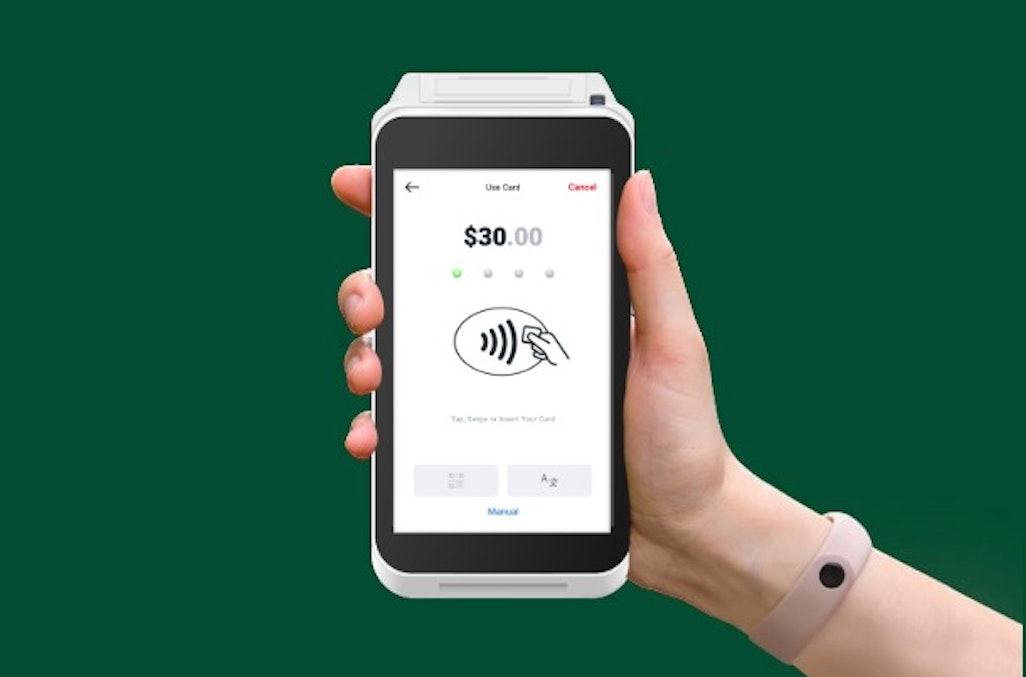
SmartPOS for ISOs
Support independent sales organizations with a scalable smartPOS solution that meets evolving merchant needs across devices and markets.
Who we serve


Financial Institutions
Powering secure, future-ready merchant services for banks and acquirers.


ISVs
Supporting software providers with integrated payment tools that scale.


PSPs & ISOs
Helping payment providers unlock new revenue with flexible merchant solutions.


Global Retailers
Driving unified commerce and connected payments across every touchpoint, globally.


Fuel & Mobility Retailers
Enabling smarter billing and seamless payment experiences for modern utilities.
-
Ready to build your payment stack?
Whether you're untangling a bundled setup or building something new, Aevi gives you the orchestration layer to bring greater flexibility to your payment stack.
Fill out the form to start a conversation with our team.
-