PAYMENT ROUTING
Choose where payments go and adapt automatically as conditions change

Aevi’s payment routing platform puts you in control of where every transaction goes
-
Payment setups have more moving parts than ever: more providers, more ways to pay and more markets to support. For acquirers, PSPs, ISVs and merchants, a single fixed path through the stack can limit flexibility and control.
Payment routing gives you both. We build routing into our wider orchestration platform, so each decision can work toward what your business needs: approving more transactions, paying less to process them, staying online when a provider isn’t, cutting operational risk and keeping your options open.
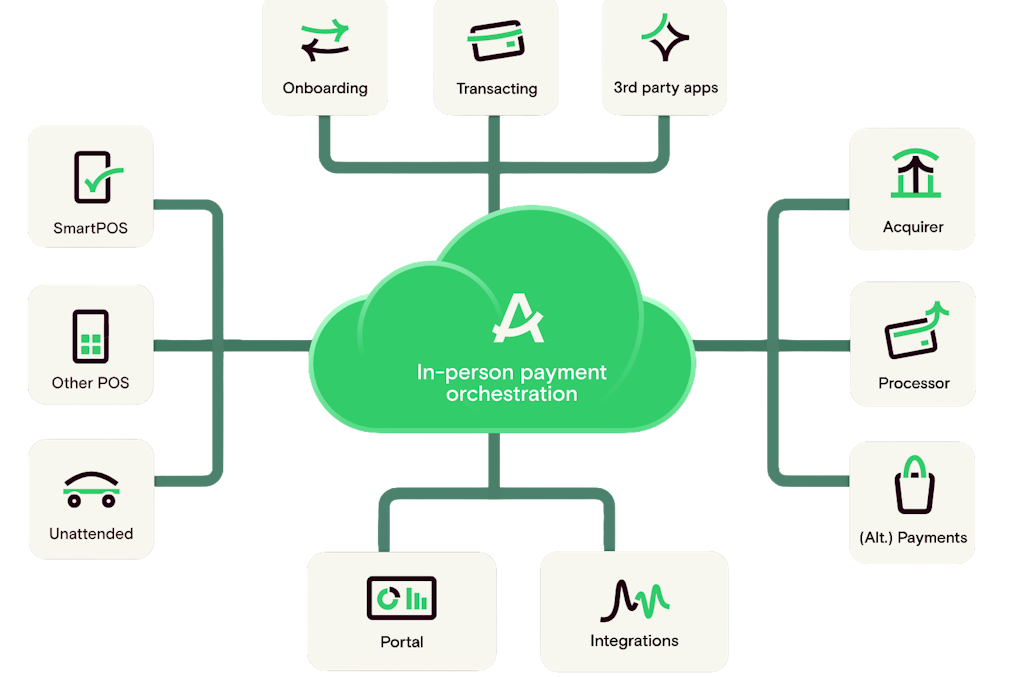

Many payment estates still run on a single, fixed route
-
Every transaction follows the same predefined path through the stack. Depending on your business, that might mean relying on a single acquirer or payment processor, or sending everything through the same network or host. Either way, you’re tied to one provider, with less room to respond when costs change or performance drops.
If that provider goes down, there’s nowhere else for the transaction to go. And when you enter a new market or add a new payment type, the existing stack can make it harder to change the route without reworking other parts of the setup.
-
What a fixed routing setup costs you

Revenue at risk:
Valid transactions fail when your only provider is down.

Higher fees:
There’s no easy way to move transactions to a cheaper route.

More declines:
Transactions stay on one path, even when another would approve more of them.

Slower expansion:
New markets and payment methods mean changes across the stack.

Less visibility:
It’s hard to tell whether a different route would have performed better.
Dynamic, rule-based routing that follows your business objectives
-
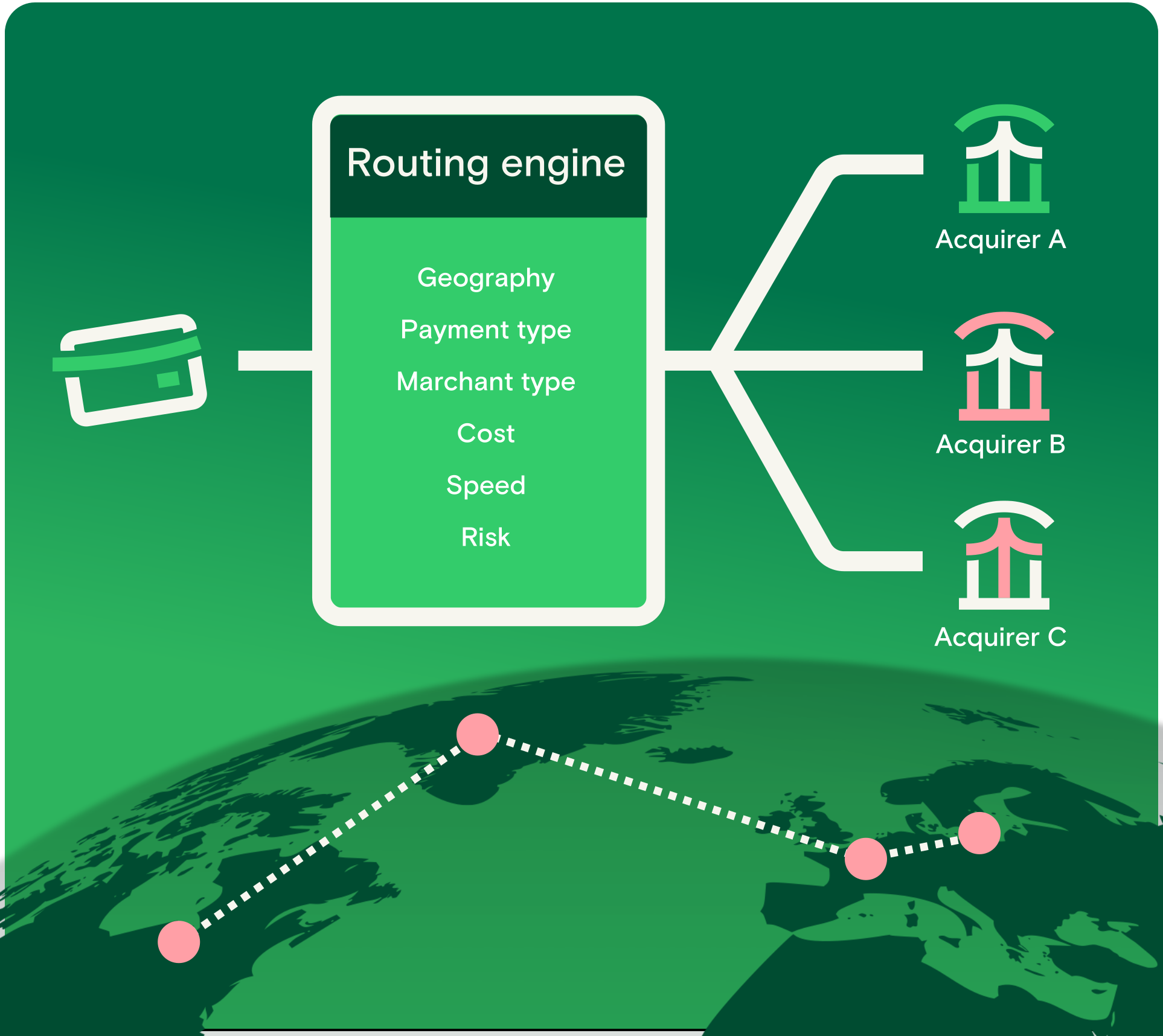
Instead of sending every transaction down the same fixed path, dynamic routing lets you decide where each one goes based on what’s happening at the time. You set rules around geography, payment type, merchant type, cost, route performance, risk or provider availability, and our transaction routing engine applies them to every transaction as those conditions change.
That means you can send transactions to the acquirer most likely to approve them, move volume to a lower-cost route when it makes sense, and update the rules whenever your priorities change. And if you’re an acquirer, you can use the same rules to decide which domestic network or host each transaction goes through.
Payment routing that protects revenue when a provider goes down
-
Acquirers, gateways and hosts can go down. On a fixed route, an outage at any one of them can cause valid transactions to fail, even when there’s nothing wrong with the card or the customer.
With routing in place, you can set failover rules that automatically redirect transactions to another available route when a provider goes offline. Customers can keep paying without your team having to reroute payments manually, which takes a lot of the risk out of an outage. And the more providers and routes you have connected, the more options you have when one goes down.
A payment routing solution that works across your whole setup
-
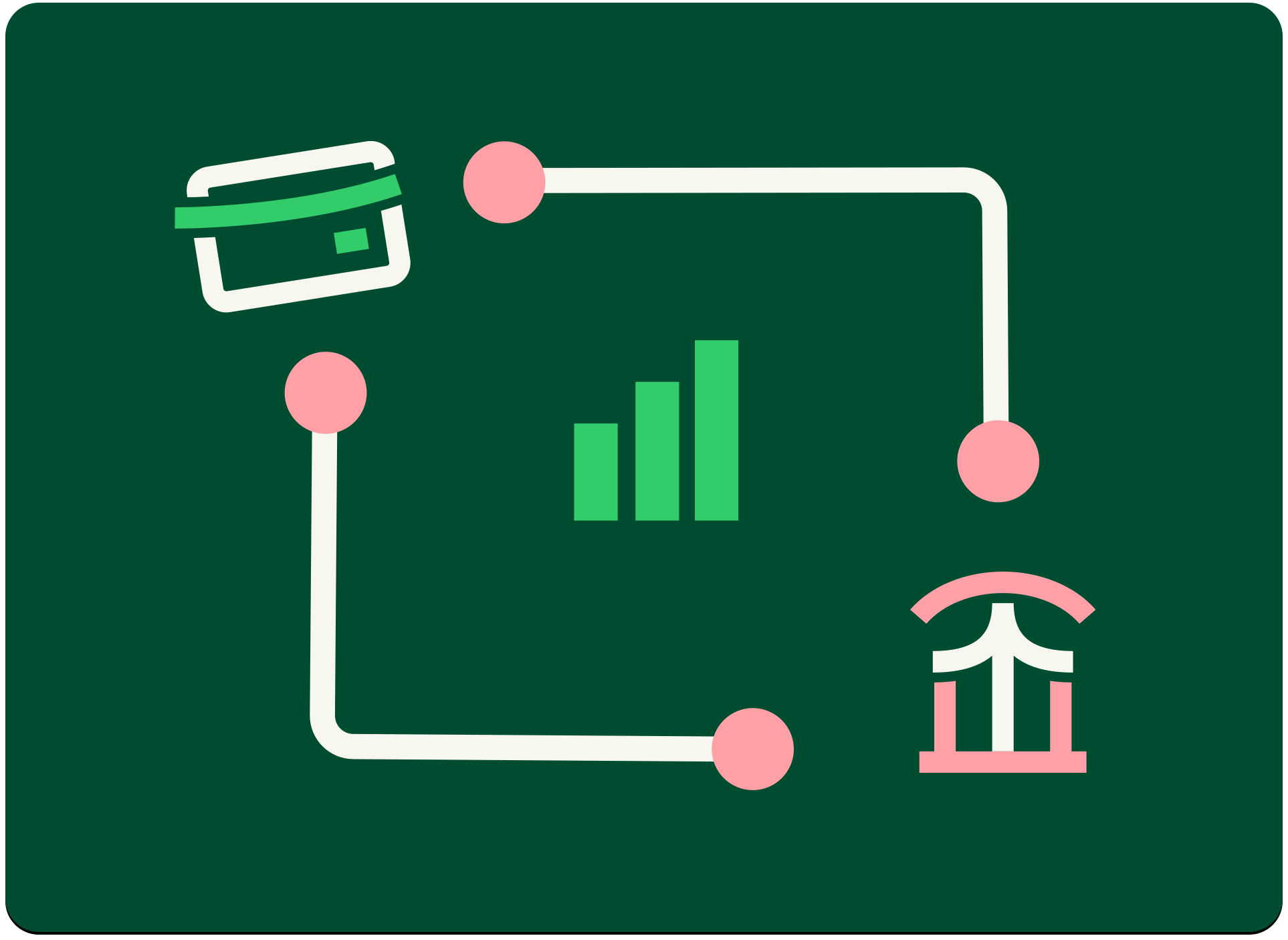
Your payment routing options shouldn’t be limited by the providers or payment types already in your stack. We give you the flexibility to build the setup around your requirements, with support for multiple providers and payment methods through one orchestration layer.
-
Our platform works as a payment gateway with multi-PSP routing, connecting you to multiple acquirers, processors, hosts and other payment partners through one integration. You choose the providers you want to work with, and route transactions between them without being tied to a particular vendor.
Connecting more than one provider means there’s another route available if one goes down. It also puts you in a stronger position when you negotiate fees, because no single provider is handling all your volume.
-
Routing is one part of Aevi’s wider orchestration layer, connecting the devices, applications and payment providers in your setup. By decoupling front-end devices from back-end acquiring, you can change one part of the stack without having to rework everything around it. Routing works the same way, so you can bring on a new provider or change how transactions are routed without touching anything else in your stack.
-
Routing isn’t limited to card acquiring. We support consumer cards, fleet cards, fuel cards, loyalty payments, alternative payment methods and local payment methods, and you can manage and route all of them through the same orchestration layer instead of building a separate setup for each one.
Full visibility into every routing decision
-
Routing rules are only useful if you can see what they’re doing. Payment data shows how each route performs, where transactions fail and what they cost to process, so you can see when a rule is doing its job or whether it needs changing.
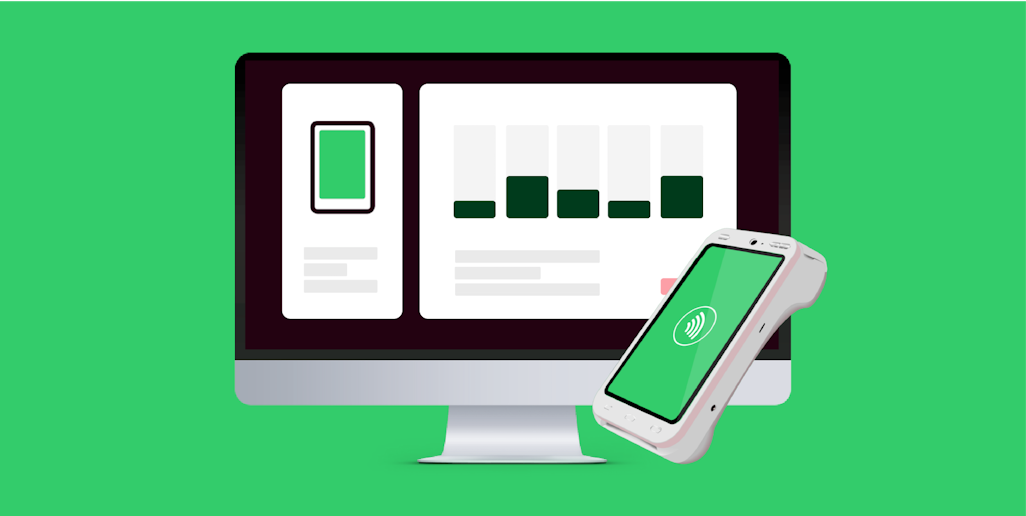
Our payment routing optimization platform gives you transaction monitoring, routing visibility, settlement insights, event logging and performance reporting. You can see where each transaction went and what happened along the way, then use that information to adjust your rules and improve transaction routing optimization.

Payment routing FAQs
-
Payment routing is the process of deciding where a transaction should go for processing. A transaction routing engine uses transaction data, configuration and business rules to select the right acquirer, processor, host or other payment provider. It’s a core part of how a payment gateway moves transactions through the payment stack.
-
The route a transaction takes can affect whether it’s approved, what it costs to process and what happens when a provider goes down. With the right payment routing solution, you have more control over those decisions and less reliance on a single provider.
-
Dynamic payment routing uses rules to decide where each transaction should go based on what’s happening at the time. Those rules can account for factors such as cost, route performance, geography and provider availability, so transactions can be routed differently as conditions change.
-
Split routing sends a set share of transactions to each provider, for example 70% down one route and 30% down another. A smart routing payment gateway looks at each transaction one by one and chooses the route based on the rules and conditions at that exact moment.
-
If an acquirer or host goes down, failover rules can automatically send transactions to another available route, so payments keep moving instead of failing.
-
Yes. Our orchestration platform lets you connect multiple acquirers, processors, hosts and other payment partners through one integration. You choose who you work with and route transactions between them, all without being tied to a single provider.
-
Yes. You set the rules behind your routing, including geography, payment type, cost, route performance, merchant type, risk and provider availability. Our transaction routing engine then applies those rules to every transaction.
-
No. Payment routing can cover consumer cards, fleet cards, fuel cards, loyalty payments, alternative payment methods and local payment methods, all managed through the same orchestration layer rather than separate setups.
-
A global payment routing platform lets you add local providers as you enter new markets, whether that’s local acquirers and payment methods or local networks and hosts. Routing transactions locally can help lower costs and improve approval rates in each market. With our orchestration layer in place, you can add new providers and routes without rebuilding the rest of your payment setup.
-
Not at all. If you work with more than one provider, need to support different payment types or want a backup when a provider goes down, payment routing options can give you more control. You decide where transactions go and change those rules as your payment setup grows.
Who we serve


Financial Institutions
Powering secure, future-ready merchant services for banks and acquirers.


PSPs & ISOs
Helping payment providers unlock new revenue with flexible merchant solutions.


ISVs
Supporting software providers with integrated payment tools that scale.
Fuel & Mobility Retailers
Enabling smarter billing and seamless payment experiences for modern utilities.


Global Retailers
Driving unified commerce and connected payments across every touchpoint, globally.
Find your solution

Card present payment gateway
Enhance your merchant offering by combining payments with third-party apps - enabling smarter, app-rich experiences at the point of sale.
SmartPOS for ISOs
Support independent sales organizations with a scalable smartPOS solution that meets evolving merchant needs across devices and markets.

Unattended Payments for Fuel
Empower merchants in the fuel sector to offer fast, secure self-service transactions that integrate smoothly with their existing infrastructure.

SmartPOS for ISVs
Enable independent software vendors to integrate payments into their platforms quickly and securely - ideal for retail, hospitality, or service-sector ISVs.

Unattended Payments for Retail
Support your retail merchants with unattended POS solutions that reduce queues, lower operational costs, and deliver better customer experiences.
-
Ready to take control of your payment routing?
Your payment setup should be able to change as your business does. Routing is one of the ways we make that possible, letting you choose your providers, set the rules and adjust them as your priorities, markets or partners change.
See how our payment routing platform can give you more control over where your transactions go. Fill out the form below to get started.
-