How gas station POS systems are changing the forecourt
- Thought leadership
- 4 Minute Read
- Last updated 13/10/2026

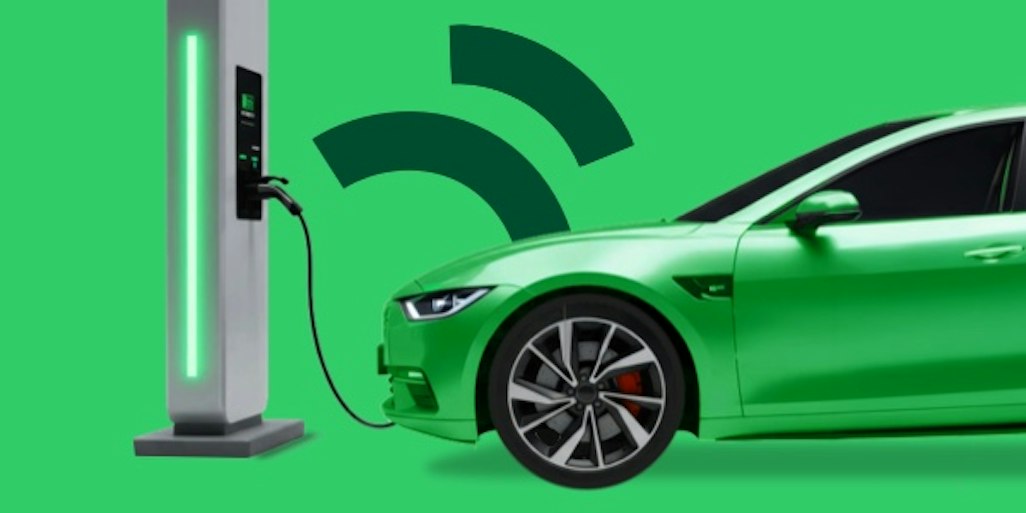
Why is it so hard to add EV charging or app ordering to a forecourt? Because the pumps, forecourt controller and card terminals are certified as one chain, so every new service or acquirer means touching the lot. An orchestration layer lets providers connect each new service once, without rebuilding the chain.
Key Insights
- A gas station POS system runs fuel and shop sales from one till, and controls the pumps through a forecourt controller.
- Pump payments work differently from shop payments: before fueling starts, the card terminal asks the card issuer to approve a set amount, then finalizes the transaction for the real amount once the driver has finished.
- Cloud platforms, app-based loyalty, AI-driven offers and EV charging are all adding new systems that need to take payments.
- Because the POS, controller and pump terminals are certified together, adding a service or switching acquirer can mean certifying everything again.
- An orchestration layer lets each new service connect once, so providers can help fuel retailers keep growing without starting the chain again.
Don't have time to read more now? Sign up to our newsletter to get the latest insights directly in your inbox.
Imagine a busy highway forecourt…
…One driver pays at the pump. Another walks past the queue to collect a coffee ordered on the operator's app. At the back of the site, an EV driver is paying the charger. To each of them, this is one stop. To the operator, it's a pump, a till, an app and a charger, each connected to the payment network in its own way.
The gas station POS system is supposed to hold that picture together. Whether it can, though, depends on what sits underneath it.
But first…
What is a gas station POS system?
A gas station POS system is the software and hardware a fuel retailer uses to sell fuel, shop goods and food-to-go from one place. That's why POS is important for fuel retailers: it's the only system that sees both pump and shop sales. Unlike a general retail POS system, a fuel POS also controls the pumps through a forecourt controller, which authorizes each pump, reads the meter and passes the fuel sale back to the till.
A POS system isn‘t the same as a POS terminal. A POS terminal is the device where a payment is taken, though the term is used for both the till and the card reader, which is why the payment device is usually called a card terminal, whether it's on the counter, on a self-checkout or inside the pump.
The difference matters most when you follow a payment through the forecourt.
How does a POS transaction work at the forecourt?
A POS transaction (a payment made in person at the point of sale) at the forecourt works in one of two ways, depending on whether the customer pays in the shop or at the pump.

Factor
Amount at the start
Authorization
What happens next
Staff involved
Connection to the acquirer

Shop
Known
For the full amount at the till
Sale is complete
Cashier
Direct or through a card-present gateway
Pay at pump
Unknown until fueling ends
For a set amount before fuel flows
Forecourt controller unlocks the pump, then the terminal sends a completion for the real amount and releases the rest of the hold
None
Often through the controller or a site server
Known
For the full amount at the till
Sale is complete
Cashier
Direct or through a card-present gateway
The pump's route through the controller is one reason the pump, controller and payment connection are certified together. In both cases, the acquirer settles the funds later, usually in a daily batch.
Which POS trends are changing the forecourt?
The biggest change is from separate pump and till setups to cloud-based platforms that link the forecourt controller, shop stock, mobile ordering, self-checkout and contactless payments, so retailers can update prices and promotions across every site at once.
Loyalty is moving to apps and subscriptions, such as a monthly car wash plan. AI-driven offers use visit and basket data, but work best when pump and shop data are linked to the same customer. New payment types keep arriving, from in-car to account-to-account payments, and in the EU the AFIR regulation requires new fast chargers to accept ad hoc card payments. Aevi's gas station trends piece covers the wider market.
Each trend adds another system that takes payments, and that's where the forecourt starts to push back.
Why is the forecourt so hard to change?
The POS, forecourt controller and pump card terminals are certified to work together as one payment chain, so changing any part can mean certifying the others again. The scenarios below are illustrative.
Scenario
Adding EV charging at 40 sites
Switching acquirer for better rates
Launching coffee order-ahead in the app

What goes wrong with a payment-only option
Charger payments settle separately, miss the POS reports and can't earn loyalty points
Pump terminals are certified against the current acquirer, so each pump and controller combination needs certifying again
App payments run through an online gateway, so orders never reach the POS and can't be refunded at the counter

What the provider should offer
Charger payments that report into the same estate view and recognize the same loyalty customer
Routing to more than one acquirer without certifying each pump again
One transaction record across app and in-store payments
Each scenario adds one more separate payment connection to maintain. Reducing that number is the job of an orchestration layer.
How does orchestration connect POS, EPOS, SoftPOS and forecourt systems?
-
An orchestration layer sits between the devices that take payments and the acquirers behind them, so each till, pump, charger, app and handheld connects once, to one layer. Pump terminals still go through their own EMV and scheme certification, but the connection to each acquirer is handled at the layer. When the retailer adds a new acquirer, that work happens in one place, and there’s no need to certify every pump against it.
Devices from different vendors, from shop EPOS to SoftPOS on an attendant's phone, feed one set of transaction data. SmartPOS devices, Android card terminals that run apps, also let attendants take food-to-go orders on the forecourt.
What should providers ask before supporting a forecourt?
Providers should start with how the site's payment chain is built, because that decides what they can offer without new certification.
- Which forecourt controllers and outdoor card terminals are already certified with our acquiring connections?
- If the retailer changes acquirer, what has to be certified again, and who covers the cost?
- Can charger, app and shop payments share one set of reports and one loyalty customer?
- Can we add a new payment type at one site without changing every other site?
“Each new payment touchpoint adds value on the surface, but also complexity underneath. What operators often overlook is the need to keep everything connected, across systems, partners, and channels, so they don‘t end up scaling fragmentation instead of experience.”
Ghermaine Henry, Head of Fuel & Unattended Payments EMEA, Aevi
Back to the forecourt…
…the pump, the coffee order and the charger can each work on their own. What turns them into one stop for the operator is a POS setup where every new service connects once and reports into the same place. Providers who can offer that give fuel and mobility retailers room to keep adding services without rebuilding the chain.
Interested in reading more? Here are some useful articles:


