CROSS-BORDER PAYMENT PROCESSING
International payments made simple and secure

Borders aren't barriers
-
With the right technology, national and international borders become gateways to global opportunity. Aevi’s global payments platform centralizes your international transactions into one connected hub, enabling multinational businesses to accept all payments, in any currency, format, or market. It's one of the most flexible global payment solutions available for businesses operating across borders.
Designed for modern commerce, our international payment system delivers real-time visibility, multi-jurisdiction compliance, and enterprise-grade security across every region you serve.
Simplify cross-border payments with one international payment system
-
Expanding into new markets shouldn’t mean managing different acquirers, currencies, formats, and compliance rules. Aevi brings everything together into one international payment system, giving you a single way to accept, route, and settle cross-border payments across all regions.
Instead of navigating fragmented infrastructure, Aevi standardizes data, streamlines multi-currency acceptance, and connects your payment devices to global providers through one orchestration layer, reducing operational overhead and accelerating international expansion.



What is a cross-border payment?
A cross-border payment is any transaction where the payer and recipient are in different countries - passing through currency conversion, compliance and settlement on its way from one party to another.
They typically involve:
- Movement of funds across different jurisdictions and financial systems
- Currency conversion to align value between markets
- Compliance and regulatory checks to meet local requirements
- Settlement across multiple networks before funds reach the recipient
These payments are what keep global commerce moving, allowing businesses, individuals and financial institutions to operate across borders at scale. To explore the latest trends shaping global transactions, read our article: Cross-Border Payment Trends and the Future of Global Transactions.

Types of cross-border payments
Cross-border payments span multiple methods, each suited to different needs:
- Card payments
- Bank transfers & EFTs
- International money orders
- Digital payment platforms
- Alternative payment methods by region
Each method relies on robust international payment processing to ensure accuracy, security, and settlement across regions.
What is a global payment gateway?
-
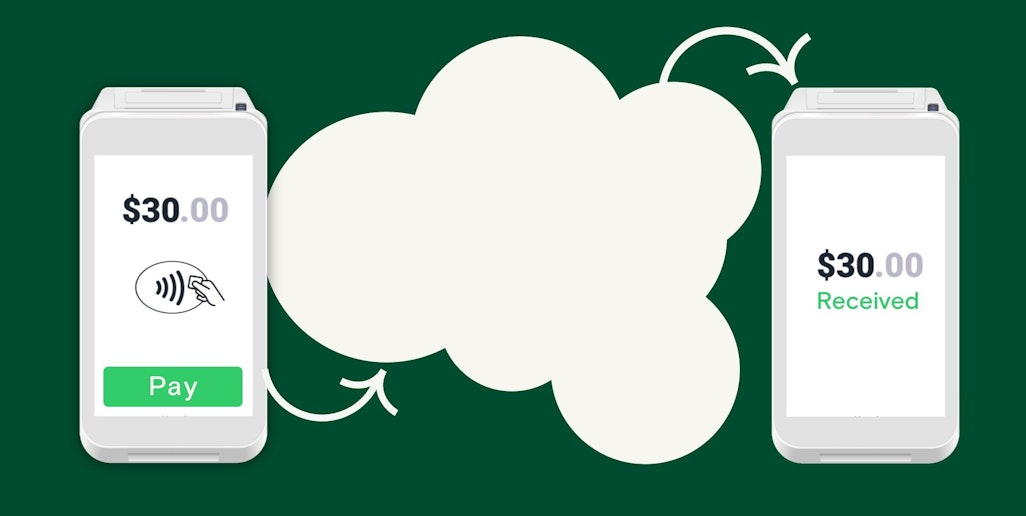
A global payment gateway is a single platform that handles transactions across different countries, currencies and payment methods.
Instead of running separate systems for each market, businesses use a global payment gateway to keep payment acceptance and settlement consistent across regions.
Aevi’s global payment gateway is built for exactly this - centralizing everything in one orchestration layer and connecting payment devices, acquirers and markets so transactions can move across borders with fewer barriers.

Benefits vs challenges of cross-border payments
Benefits of cross-border payments
Flexibility - Businesses can offer multiple payment methods and currencies across regions.
Cost-effectiveness - Modern global payment systems reduce reliance on costly intermediaries.
Diversified customer base - Reaching international shoppers expands audience reach and demand.
Increased revenue opportunities - A flexible international payment solution enables merchants to accept more payments worldwide.
Access to global markets - Cross-border payments open the door to new regions and scalable business growth.
Operational efficiency - Unified infrastructure makes global payments easier for teams and operations.
Modernization opportunities - Global payment expansion encourages adoption of new technologies and integrations.
Improved performance and insight - Unified data across markets strengthens decision-making and financial planning.
Challenges of cross-border payments
Regulatory hurdles - Every market has its own compliance rules, making flexibility hard to manage without the right platform.
Intermediary fees - Traditional payment routes often involve multiple banks and third parties, adding cost and delays.
FX fluctuations - Serving global customers introduces unpredictable currency conversion costs.
Security risks - Higher global transaction volumes increase exposure to cross-border fraud and data threats.
Compliance checks - International operations require extensive verification, slowing market entry.
Data formatting differences - Countries use different payment standards, complicating global interoperability.
Legacy systems - Older infrastructure often can’t support the demands of modern international payments.
Operational complexity - Without automation, global payments can take days due to manual processes and multiple checkpoints.
Flexibility - Businesses can offer multiple payment methods and currencies across regions.
Regulatory hurdles - Every market has its own compliance rules, making flexibility hard to manage without the right platform.
Cost-effectiveness - Modern global payment systems reduce reliance on costly intermediaries.
Intermediary fees - Traditional payment routes often involve multiple banks and third parties, adding cost and delays.
Diversified customer base - Reaching international shoppers expands audience reach and demand.
FX fluctuations - Serving global customers introduces unpredictable currency conversion costs.
Increased revenue opportunities - A flexible international payment solution enables merchants to accept more payments worldwide.
Security risks - Higher global transaction volumes increase exposure to cross-border fraud and data threats.
Access to global markets - Cross-border payments open the door to new regions and scalable business growth.
Compliance checks - International operations require extensive verification, slowing market entry.
Operational efficiency - Unified infrastructure makes global payments easier for teams and operations.
Data formatting differences - Countries use different payment standards, complicating global interoperability.
Modernization opportunities - Global payment expansion encourages adoption of new technologies and integrations.
Legacy systems - Older infrastructure often can’t support the demands of modern international payments.
Improved performance and insight - Unified data across markets strengthens decision-making and financial planning.
Operational complexity - Without automation, global payments can take days due to manual processes and multiple checkpoints.
What makes a good cross-border payment solution?
-
A good cross-border payment solution needs to handle complexity without adding friction in the process. Aevi's platform is built around this approach - giving businesses a single, orchestrated way to manage cross-border payments globally. That means:

Accepting multiple currencies and payment methods through a single setup, without needing separate systems for each market

Routing transactions more efficiently to lower costs and increase success rates
Managing compliance and regulatory requirements across different jurisdictions automatically

Giving clear, real-time visibility into transaction activity across all regions

Scaling across markets without increasing operational overhead
Taking international payments to the next level
-
Aevi’s in-person payment orchestration platform elevates global operations by eliminating fragmentation and improving the speed, cost, and reliability of international business payments.

Low cost, high flexibility
With support for multiple currencies and real-time conversion, we keep costs low and flexibility high.

Security protocols
Our security and compliance protocols mitigate risks and delays, ensuring smooth global operations

Advanced integration
Our advanced integration capabilities eliminate legacy platform issues, making global market access a breeze.
Enhanced data
Our powerful analytics tools help you stay on top of exchange rates and manage international payments with confidence.
Frequently asked questions
-
A cross-border payment is any transaction where the payer and recipient are in different countries, passing through currency conversion, compliance and settlement on its way from one party to another.
-
A global payment gateway is a single platform that handles transactions across different countries, currencies and payment methods - keeping payment acceptance and settlement consistent across regions.
-
A good cross-border payment solution accepts multiple currencies through a single setup, routes transactions efficiently, manages compliance automatically, and provides real-time visibility across all regions.
Who we serve


Financial Institutions
Powering secure, future-ready merchant services for banks and acquirers.


PSPs & ISOs
Helping payment providers unlock new revenue with flexible merchant solutions.


ISVs
Supporting software providers with integrated payment tools that scale.
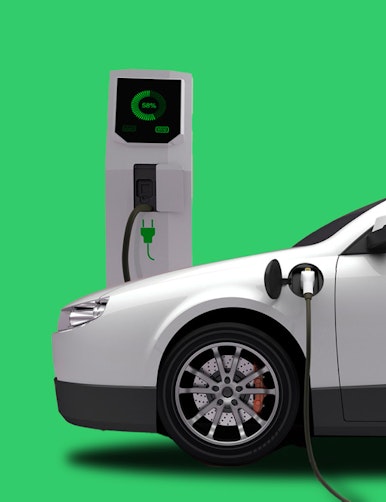
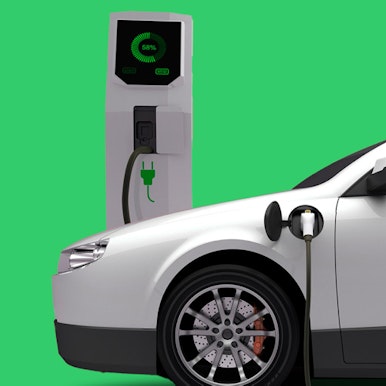
Energy Retailers
Enabling smarter billing and seamless payment experiences for modern utilities.


Global Retailers
Driving unified commerce and connected payments across every touchpoint, globally.
Find your solution

Unattended Payments for Fuel
Empower merchants in the fuel sector to offer fast, secure self-service transactions that integrate smoothly with their existing infrastructure.

Unattended Payments for Retail
Support your retail merchants with unattended POS solutions that reduce queues, lower operational costs, and deliver better customer experiences.

Card present payment gateway
Enhance your merchant offering by combining payments with third-party apps - enabling smarter, app-rich experiences at the point of sale.
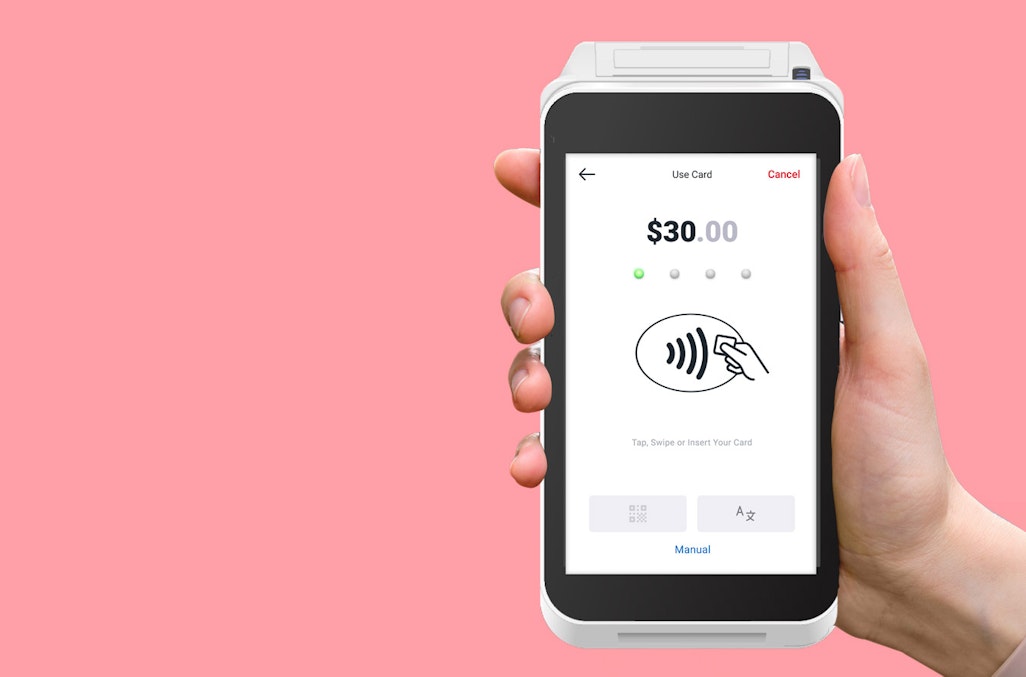
SmartPOS for ISOs
Support independent sales organizations with a scalable smartPOS solution that meets evolving merchant needs across devices and markets.

SmartPOS for ISVs
Enable independent software vendors to integrate payments into their platforms quickly and securely - ideal for retail, hospitality, or service-sector ISVs.
-
Ready to simplify global payments?
Aevi connects payment devices, providers, and regions through one unified platform, giving businesses a modern, secure, and scalable way to accept cross-border payments worldwide.
Ready to regain control of every transaction? Fill out the form to get started.
-